Oliphant: The Handwritten Font That Brings Designs to Life
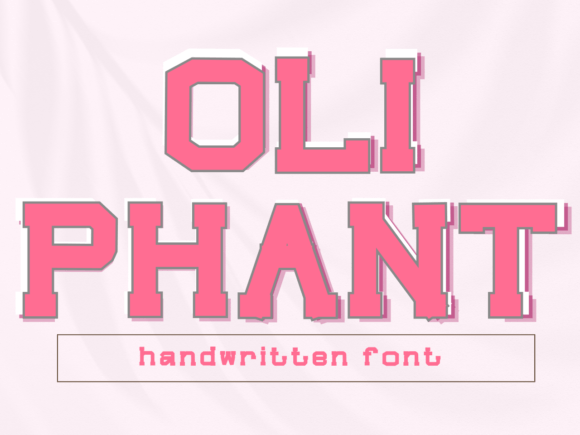
There's a particular quality in some letterforms that feels less like a digital product and more like a personal artifact. Oliphant is a typeface that embodies this feeling. It’s a lovely, timeless handwritten font, but its value goes far beyond that simple description. When you look at its characters, you don't just see letters; you see the potential for a story, a mood, a connection. Each stroke carries a subtle, organic variation that feels genuinely crafted, offering a warmth and authenticity that’s increasingly sought after in our digital-first world. This isn't a font that shouts; it speaks with a confident, elegant whisper.
More Than Just Pretty Letters: The Character of Oliphant
At its core, Oliphant is a script font with a distinct personality. It balances fluid, connected strokes with a legibility that many purely decorative scripts lack. The letters have a natural flow, reminiscent of skilled penmanship, but they’re refined enough to avoid feeling messy or overly casual. This duality is its strength. It feels personal and approachable without sacrificing clarity. The overall appeal lies in this versatility—it can convey nostalgia, romance, sophistication, or heartfelt sincerity depending on the context and color palette you place it in. Think of it as a versatile creative font that adapts to your project's voice rather than imposing its own.
Where Oliphant Truly Shines: Practical Applications
Understanding where a font like this excels is key to using it effectively. Oliphant isn't a workhorse for body text; it's a display font meant for impact. Its sweet spot is in applications where personality and emotional resonance are paramount.
Logo Design & Brand Identity: For entrepreneurs and small business owners, Oliphant can be the cornerstone of a brand that feels human and trustworthy. Imagine a boutique bakery, a handmade jewelry line, a cozy café, or a personal coaching service. Using Oliphant for the logotype instantly communicates craftsmanship and care. It tells your audience there's a real person behind the brand, dedicated to quality. Pair it with a clean sans serif font for your body copy to create a balanced and professional brand identity system.
Editorial & Packaging Design: In editorial design, think of chapter titles in a romance novel, pull quotes in a lifestyle magazine, or headers on a wedding invitation suite. Oliphant adds a touch of elegance and draws the reader's eye. For packaging design, especially for artisanal goods, gourmet products, or premium cosmetics, it elevates the unboxing experience. A label featuring Oliphant suggests the product inside is special and thoughtfully made.
Digital Presence & Marketing: This font is a powerhouse for social media graphics. Use it for Instagram quote graphics, Pinterest pins, or Facebook ad headlines to stop the scroll. Its handwritten nature feels native to the platform, fostering engagement. In web design, it can be used sparingly for hero section headlines or call-to-action phrases that need a personal touch, ensuring your digital storefront feels inviting.
The Strategic Impact: Beyond Aesthetics
Choosing a font like Oliphant is a strategic decision that influences how your audience perceives and interacts with your work. It directly impacts visual hierarchy, guiding the viewer's eye to the most important message first. A headline in Oliphant naturally commands attention, establishing a clear focal point.
More importantly, it shapes brand perception. Consistent use of a distinctive typeface builds recognition. When people see those unique letterforms across your website, packaging, and social posts, they start to associate that style with your business. This builds familiarity and trust, key components of a strong brand. The professionalism comes not from using a generic, overused font, but from making a thoughtful, consistent choice that aligns with your brand's core values.
A Practical Guide to Using Oliphant
Before integrating Oliphant into your next project, consider these practical steps to ensure it's the right fit.
Evaluate the Project Fit: Ask yourself what emotion or message you need to convey. If the goal is to communicate warmth, authenticity, elegance, or a handcrafted quality, Oliphant is a strong candidate. If you need a font for extensive paragraphs or highly technical information, a different typeface will serve you better.
Master the Font Pairing: This is crucial. Oliphant’s ornate nature pairs best with simple, stable typefaces. A geometric sans serif font like Montserrat or a classic serif font like Garamond often creates a beautiful contrast. The clean lines of the supporting font allow Oliphant’s personality to shine without overwhelming the design. Always test your pairings in the actual context—mockup a business card, a social post, or a website header to see how they interact.
Check the Included Styles: Many premium fonts come with more than just the basic alphabet. See if Oliphant includes alternates, ligatures, or swashes. These are alternate letterforms that can add further customization and flair to your designs, allowing you to create truly unique compositions. This is a key feature of a high-quality commercial font.
Consider Readability and Licensing: Always test readability at the size it will be used, especially for smaller applications like subheadlines. While legible for a script, it still requires careful sizing. Finally, ensure you have the correct commercial license for your intended use. If you're using it for a client’s logo or selling products with the font, a standard desktop license may not suffice. Reputable font foundries make licensing terms clear—review them to avoid legal issues down the line.
In the end, Oliphant is more than just another handwritten font in your library of design assets